

Weather Shielding
The frame protects main wiring runs from direct contact with water, mud, and road salt.



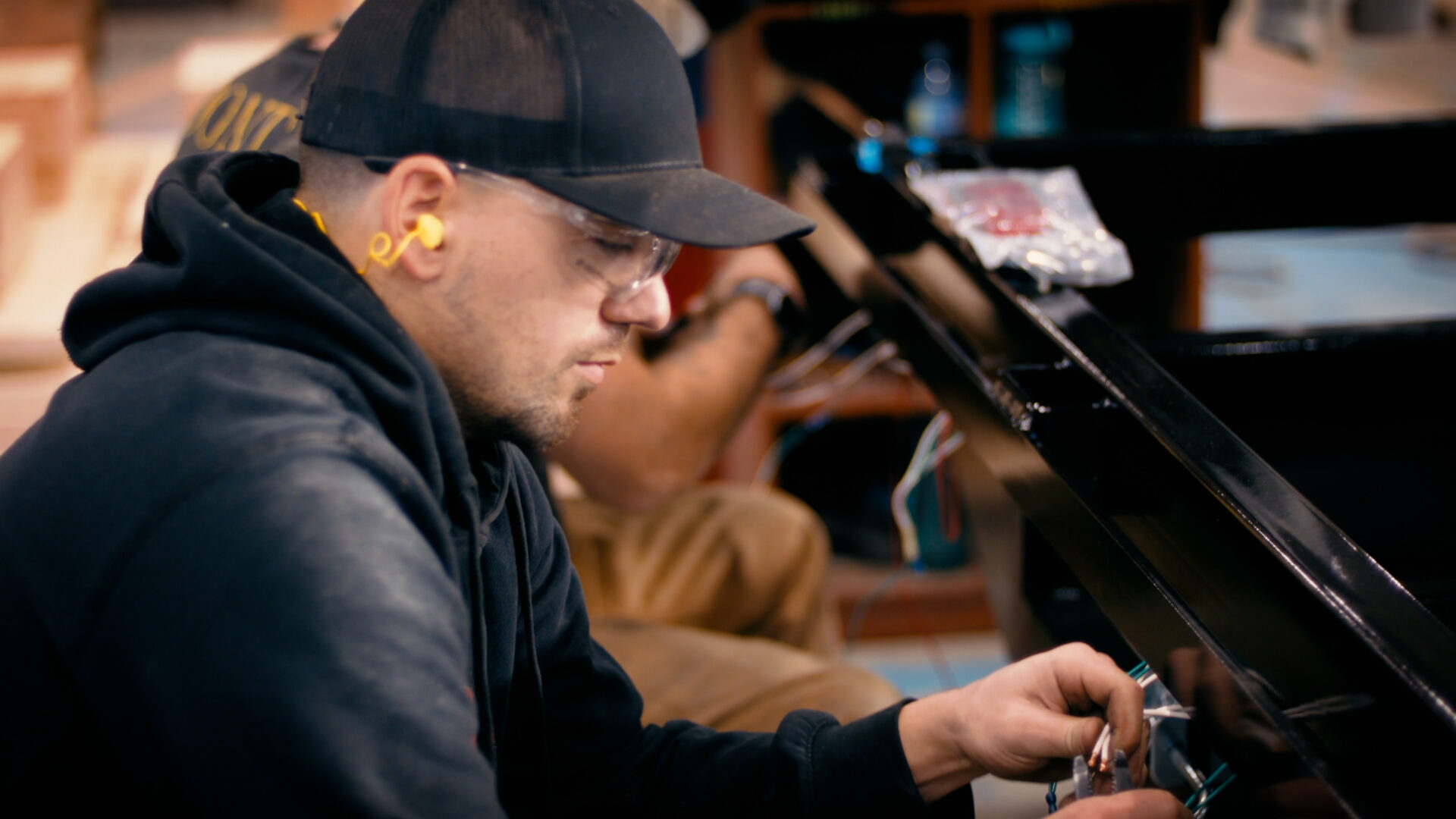
Trailer lights and brakes depend on wiring that cannot afford to fail. On HSS frame models, Southland routes main wiring runs inside the hollow steel frame. That helps keep the electrical system away from mud, salt, rocks, and jobsite debris.
On many trailers, wires are clipped or zip-tied along open frame rails. That leaves them exposed to road spray, gravel, ice, and broken clips. Southland uses the hollow shape of HSS tubing as a protected steel path for the main harness.
Wiring controls the lights, signals, and electric brakes you need to stay legal and safe. Southland protects those main runs inside the frame instead of treating them like an afterthought.
The hollow frame rail becomes a strong, built-in path for key electrical lines.
Where wires leave the frame, grommets and sealed connections help limit water entry.
Brake wiring is kept away from open areas where a rock or branch could cut the line.
A broken ground wire or damaged brake circuit can stop a trailer fast. That is why the wiring path matters. Southland routes main harness runs through the inside of HSS tubing during the build. The steel frame protects the wiring from the moisture, vibration, and road debris that can break down exposed wire clips. Wear points like the 7-way plug and light housings still need normal checks, but the main runs stay protected trip after trip.
It means the main wiring runs are routed inside the hollow steel frame instead of being clipped along the outside.
Yes. The harness uses planned entry and exit points. In rare cases, the frame tube can act as a clear path to fish a new line.
It protects the main runs. Outside parts like plugs, lights, and connectors still need normal inspection and care.
This setup is used on Southland models built with HSS tubular frames, including dump, equipment, and Royal Cargo trailer lines.